How 3D Printing is Revolutionizing Manufacturing
3D printing went from a prototyping curiosity to a real production method. How it’s changing the way parts get designed, made, and shipped.
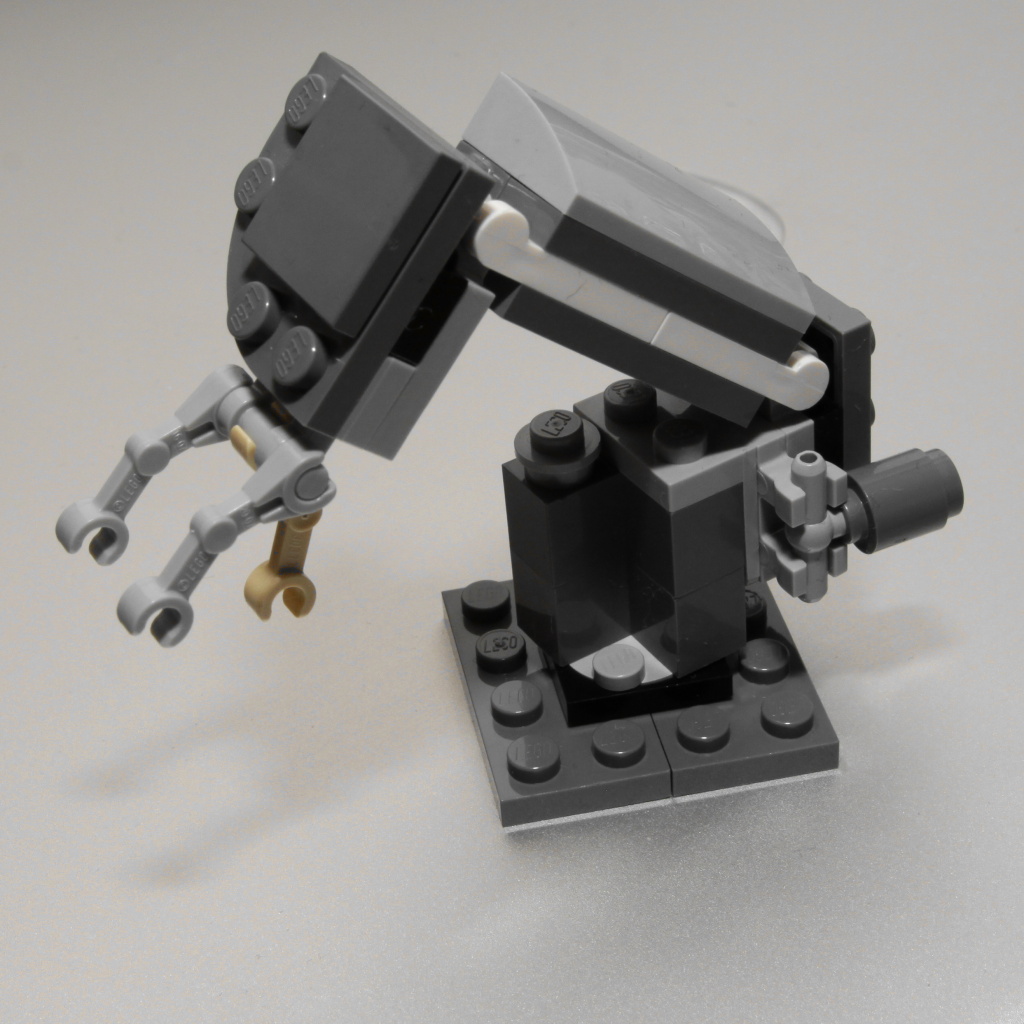
Over the past decade, 3D printing has gone from a niche prototyping tool to a real production method. The shift isn’t only about building objects one layer at a time. It’s about how businesses design, produce, and ship products with less tooling and more flexibility. Here’s how it’s changing manufacturing, industry by industry.
The Shift from Traditional Manufacturing to Additive Manufacturing
Traditional manufacturing methods, such as injection molding, CNC machining, and casting, rely heavily on subtractive processes or molds and tooling. These approaches often require large upfront investments, long lead times, and minimum order quantities, which can stifle innovation and increase costs, especially for low-volume production or customized items.
3D printing, also known as additive manufacturing, builds objects layer by layer directly from digital models. This allows manufacturers to bypass the constraints of tooling and significantly reduce setup times. Instead of producing thousands of identical parts upfront, companies can now manufacture one, ten, or a hundred customized parts economically.
Key Advantages Driving Manufacturing Transformation
1. Design Freedom and Complexity
3D printing enables the creation of geometries impossible or impractical with traditional methods. Complex internal channels, lightweight lattice structures, and organic shapes can be produced without additional cost or assembly steps. This design freedom is driving innovation in aerospace, automotive, medical devices, and more.
2. Rapid Prototyping and Iteration
Before committing to mass production, designers can rapidly prototype parts and test them in real-world scenarios. This speeds up product development cycles, reduces errors, and allows for agile design improvements based on direct feedback.
3. Customization and Personalization
From custom prosthetics tailored to an individual patient’s anatomy to bespoke automotive components, 3D printing makes mass customization economically feasible. Manufacturers can offer personalized products without needing dedicated tooling or large inventories.
4. Reduced Supply Chain Complexity
3D printing can decentralize manufacturing, enabling production closer to the point of use. This reduces shipping costs, lead times, and dependency on complex supply chains, a critical advantage highlighted during global disruptions such as the COVID-19 pandemic.
5. Sustainability Benefits
By producing parts on demand and minimizing material waste, additive manufacturing contributes to more sustainable production practices. Unlike subtractive methods, which carve away excess material, 3D printing uses only the material necessary for the final product.
Industry Use Cases Highlighting the Impact
- Aerospace: The aerospace industry leverages 3D printing to create lightweight, high-strength components that improve fuel efficiency. Companies like GE Aviation have integrated additive parts in jet engines, reducing part count and enabling more efficient airflow.
- Healthcare: Customized implants, surgical guides, and prosthetics are routinely produced with 3D printing. These personalized solutions improve patient outcomes and streamline surgical procedures.
- Automotive: From concept models to functional parts, automakers use 3D printing to accelerate development and support low-volume production runs of specialized components.
- Consumer Goods: Footwear companies, for example, create custom-fit insoles and intricate shoe parts that improve comfort and performance, illustrating how 3D printing enhances product differentiation.
Challenges and Considerations
While 3D printing offers transformative potential, manufacturers must navigate challenges such as material limitations, quality control, and post-processing requirements. Ensuring repeatability and meeting industry standards requires robust process validation and sometimes hybrid approaches that combine additive with traditional manufacturing.
— Shivam Hegadi
Related articles
How Aerospace Engineers Use 3D Printing for Lightweight Parts
In aerospace, every gram has to earn its place. How engineers use printed parts to cut weight without cutting strength.
3D Printing Houses: The Future of Building Is Already Here
Robotic gantries are printing entire houses in a matter of days. Where the technology actually stands, and where it still stumbles.